
Many homeowners can repair a single section of roof when damage is localized, but you should assess age, structure, and material match to confirm the repair is cost-effective and long-lasting.
Evaluating the Extent of Roof Damage
Inspecting the surrounding area helps you gauge whether damage is localized or widespread; check attic stains, sagging, and adjacent shingles to decide if a section repair is appropriate without re-roofing the entire surface.
Identifying Localized vs. Systemic Issues
Determine whether you’re dealing with isolated missing shingles, a single flashing failure, or localized storm damage, versus patterns like multiple leaks, widespread granule loss, or persistent ponding that signal system-wide problems requiring full replacement.
Signs That a Patch is Sufficient
Visible isolated damage, intact surrounding shingles, and dry decking usually indicate you can patch the area and restore watertightness without replacing the entire roof.
Check the attic for concentrated stains, probe decking for soft spots, and inspect flashing and vents; if deterioration is limited, materials match, and the substrate is sound, you can opt for a targeted repair-have a professional confirm fastenings, flashing replacement needs, and any warranty effects before proceeding.

Economic Advantages of Partial Repairs
Partial repairs let you address localized damage so you can postpone full replacement and reduce upfront expense.
Short-Term Cost Mitigation
Short-term fixes allow you to cut immediate costs by targeting leaks or broken shingles while you plan a comprehensive solution.
Maximizing Your Initial Investment
Maximizing your initial investment means you prioritize repairs that protect the deck and structure so the original roof lasts longer and avoids early replacement.
To maximize returns, have your contractor inspect flashing, vents, underlayment and attic ventilation first; fixing these elements stops hidden rot, limits future repair scope, and preserves warranty terms. You should document work and use matching materials so subsequent contractors can tie in repairs without redoing intact areas.
Technical Challenges of Sectional Repairs
Structural tie-ins and underlayment continuity often complicate sectional repairs; you should inspect decking, slope transitions, flashing locations, and fastener patterns to prevent stress points that lead to leaks and premature failure.
Material Matching and Curb Appeal
Aesthetic mismatches in shingle color, profile, or granule wear quickly reveal repairs, so you should source matching batches, adjust course alignment, or expand the patch to nearby areas for a uniform appearance.
Maintaining the Integrity of the Water Barrier
Waterproofing fails when underlayment laps, step flashing, and valley details aren’t properly tied into the existing system, so you need correct overlaps, secure flashing angles, and compatible sealants to keep water out.
When you address the water barrier, remove degraded underlayment and inspect the sheathing for rot before installing new layers; you should overlap new underlayment onto sound existing sheets by at least two inches, set step and counter flashing into compatible sealant, and align shingle courses so water sheds without pooling. Consider professional help for complex valleys or metal-to-roof transitions to avoid costly leaks.
When Patching is the Best Strategic Option
Patching a limited area makes sense when damage is isolated; you can save cost and extend roof life if decking, flashing, and adjacent shingles are sound.
Addressing Storm-Related Shingle Loss
Storms can strip shingles from small roof sections; you should replace missing shingles, tighten loose nails, and match materials to prevent leaks and further deterioration.
Repairing Flashing and Penetration Leaks
Flashing failures near vents or chimneys often allow water in; you should reseal or replace flashing, inspect surrounding shingles, and stop localized leaks before decking or insulation suffer.
Inspect the junctions where flashing meets roof materials; you should look for rust, lifted edges, cracked sealant, or missing counter-flashing. If flashing is corroded or poorly seated, replace it with properly sized metal, install compatible underlayment, and seal transitions with approved roofing cement. You should also check fasteners and the underlying decking for rot so repairs don’t mask a deeper problem.

The Impact of Roof Age on Repair Decisions
Age of your roof dictates repair viability; if your roof nears its expected lifespan, you’ll often get better value from replacement than piecemeal fixes.
Calculating Remaining Service Life
Estimate the remaining service life by comparing installation date, material type and visible wear; if you have less than a decade left, spot repairs may not be cost-effective.
The Risks of Patching Older Systems
Patching older systems can mask widespread deterioration, forcing repeated repairs that cost you more over time than a timely replacement would.
You should expect hidden issues such as failing underlayment, rusted flashings and compromised decking that a patch won’t address; these can accelerate leaks, void warranties and raise insurance claims, making replacement more economical in the medium term.
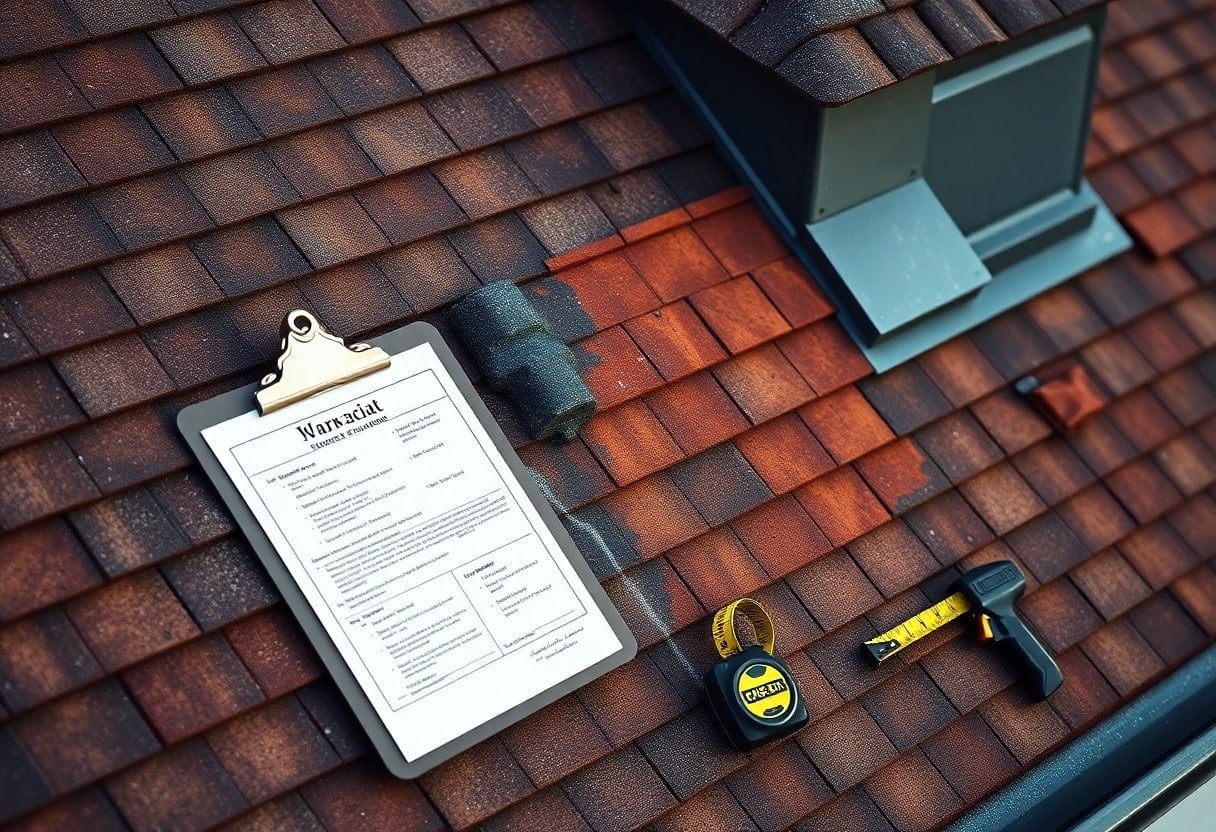
Professional Standards and Warranties
Standards require that any partial roof repair meet local building codes and manufacturer guidelines, so you should hire licensed contractors, secure permits when needed, and keep detailed records to protect safety and future claims.
Importance of Expert Structural Assessment
Inspection by a structural expert confirms whether a section repair will address damage without compromising adjacent areas, and you receive a clear scope, load analysis, and recommendations to keep work code-compliant.
How Partial Repairs Affect Warranty Coverage
Warranties on materials and workmanship can be voided by partial repairs if you don’t follow manufacturer or contractor conditions, so verify coverage and approved procedures before proceeding.
When you consider a partial repair, read both product and contractor warranties closely; manufacturers often require full-system fixes or certified installers, while contractors may limit liability if altered flashing, ventilation, or drainage contribute to future failure. You should get written confirmation that the proposed scope won’t void coverage, document pre- and post-repair conditions, and keep invoices and photos to support any warranty claims.
Summing up
So you can repair just a section of your roof when damage is localized, costs are reasonable, and the remaining roof is sound; consult a qualified roofer, weigh long-term risks, and document repairs to protect warranties and resale value.
FAQ
Q: Can you repair just a section of your roof when damage is localized?
A: Yes. A section repair is appropriate when damage is confined to a limited area, the roof decking beneath is sound, and matching materials are available. A qualified roofer will remove damaged shingles and underlayment, inspect and replace any compromised decking, install new underlayment and flashing as needed, and match shingles to the surrounding roof. Proper fastening and flashing details are required to restore watertight performance and avoid creating new leak paths.
Q: When does a partial repair make financial and practical sense?
A: Partial repair makes sense for isolated storm damage, a single leak caused by failed flashing or a pipe boot, or a small area with rot while the rest of the roof is in good condition and relatively young. Homeowners with roofs well under expected service life get the most value from section repairs. Insurance coverage, availability of matching shingles, and the condition of roofing ventilation and underlayment influence the decision.
Q: What are the risks and limitations of repairing only a section?
A: Risks include visible color or texture mismatch if replacement shingles are a different lot or discontinued, missed underlying damage that leads to recurring leaks, and potential voiding of certain manufacturer warranties if patching is frequent. Multiple spot repairs over time can produce an uneven appearance and inconsistent aging. A thorough inspection, replacement of damaged decking, and proper flashing installation reduce these risks.
Q: How do costs compare between a section repair and a full roof replacement?
A: Cost depends on repair size, materials, roof pitch, access, and local labor rates. Small localized repairs often run from a few hundred to a couple thousand dollars. Larger sectional work that requires decking replacement, complex flashing, or extensive labor can cost several thousand dollars. Full roof replacement typically costs substantially more but becomes more cost-effective if the roof is near the end of its lifespan, has widespread deterioration, or has had numerous prior repairs.
Q: How should homeowners choose a contractor and what questions should they ask for a section repair?
A: Choose a licensed, insured contractor with verifiable references and clear online reviews. Ask for a detailed written estimate that specifies materials, shingle brand and color or lot number, scope of decking/underlayment work, flashing details, permits, timeline, and workmanship warranty. Request photos of the attic and decking condition, confirmation that flashing and penetrations will be replaced or sealed, and a written invoice or lien waiver when the job is complete.